Presenting Your Unique Study Program to an F1 Visa Officer
Embarking on the exciting journey of studying in the United States on an F1 student visa necessitates a thorough interview process where you’ll need to convincingly explain your educational choice. One common question asked by visa officers revolves around your chosen program, specifically if it offers a unique curriculum or teaching style. Here’s how you can research and effectively present this information during your interview.
Understand Your Program Inside Out
To begin with, dive deep into your program’s structure and offerings:
Free toolOPT Timeline Calculator Online- Examine the course catalog and outline.
- Identify what makes the teaching style distinctive, whether it’s project-based learning, a focus on technology and innovation, or a cross-disciplinary approach.
- Familiarize yourself with any special facilities, equipment, or resources exclusive to your campus.
Knowing these specifics not only prepares you for the interview but also demonstrates your commitment and enthusiasm for your chosen field of study.
Articulate the Benefits Clearly
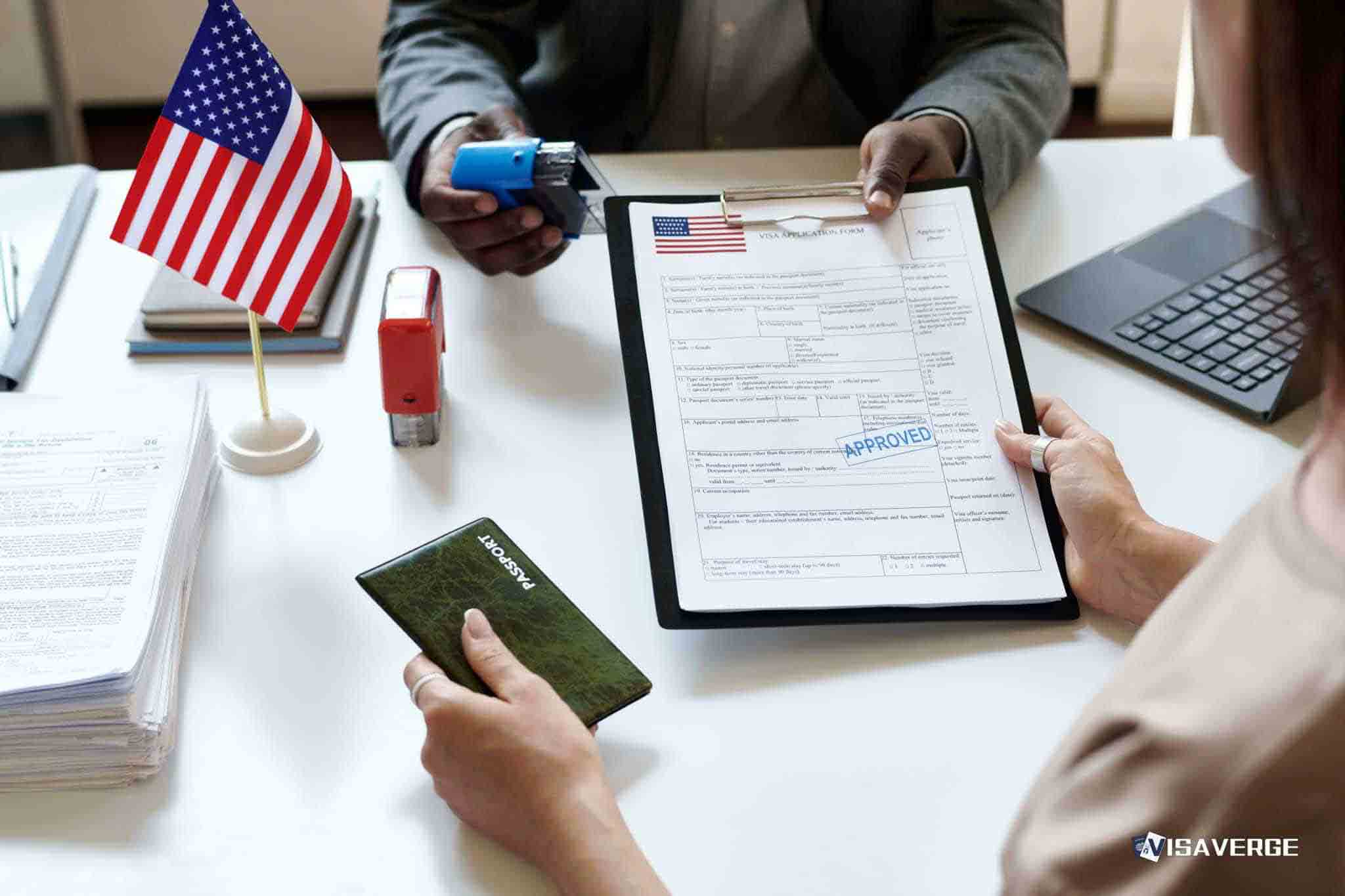
When discussing your program during the interview, focus on conveying how its uniqueness is beneficial:
- Explain how the teaching style aligns with your learning preferences and educational goals.
- Describe how the curriculum prepares you for a future career in your desired field.
- Articulate why this particular program at the U.S. institution is preferable over similar programs in your home country or elsewhere.
Compare and Contrast
It’s useful to know how your program stands out from others by making comparisons:
- Look at other universities offering similar courses.
- Pinpoint the differences in curriculum, faculty, industry connections, and outcomes.
- Use this information to clarify why you have chosen this specific university and program.
Collect Supporting Documentation
Having documentation to back up your claims can be incredibly useful. This might include:
- Brochures or printouts from the university website detailing the program’s unique aspects.
- Letters from faculty or program coordinators.
- Testimonials from current or previous students outlining the benefits of the teaching style.
Be Prepared to Answer Follow-Up Questions
Visa officers may ask additional questions, such as:
- How does the program fit into your long-term academic and career plans?
- Are there no comparable programs in your country?
- How do you plan to apply the skills or knowledge acquired in this program after graduation?
Answering these questions convincingly requires both preparation and sincerity.
Final Tips for a Successful Visa Interview
- Be succinct but informative.
- Stay calm and composed, showcasing confidence in your choice.
- Illustrate your response with personal anecdotes or examples whenever possible.
It’s important to review official resources and guidelines regarding the F1 visa interview process. Visiting the U.S. Department of State’s Bureau of Consular Affairs website or the official website of the embassy where you’ll have your interview is highly recommended. They provide valuable insights into what visa officers are looking for and how to prepare.
In conclusion, by thoroughly researching your chosen program and its unique features, and then presenting this information effectively, you will be able to clearly articulate the reasons behind your decision to study in the United States. This preparation will undoubtedly help in making a positive impression on the F1 visa officer, and ideally, culminate in a successful visa outcome.
So there you have it, my fellow visa-seekers! The key to impressing that F1 visa officer lies in understanding your unique study program, articulating its benefits, and being prepared for follow-up questions. And if you want even more tips and insights on acing your visa interview, don’t forget to check out visaverge.com. Trust me, it’s like having a tech-savvy friend right by your side, guiding you through the exciting world of student visas. Good luck, and may the visa odds be ever in your favor!
FAQ’s to know:
FAQ 1: What should I do to prepare for an F1 visa interview regarding my chosen study program?
Answer: To prepare for an F1 visa interview related to your chosen study program, you should thoroughly understand the program’s structure and offerings, articulate the benefits of the program clearly, compare and contrast it with similar programs, collect supporting documentation, and be prepared to answer follow-up questions about your long-term academic and career plans.
FAQ 2: How can I effectively present the uniqueness of my chosen study program during an F1 visa interview?
Answer: To effectively present the uniqueness of your chosen study program during an F1 visa interview, you should dive deep into the program’s curriculum and teaching style, articulate how the program’s uniqueness is beneficial to your educational goals and future career, compare it with similar programs at other universities, and collect supporting documentation such as brochures, letters, and testimonials.
FAQ 3: What are some final tips for a successful F1 visa interview regarding my study program?
Answer: To ensure a successful F1 visa interview regarding your study program, it is important to be succinct yet informative, stay calm and composed, illustrate your responses with personal anecdotes or examples, review official resources and guidelines on the F1 visa interview process, and visit the websites of the U.S. Department of State’s Bureau of Consular Affairs or the embassy for valuable insights and preparation tips.
What did you learn? Answer below to know:
- What are some strategies for researching and understanding the unique features of your chosen study program to present to an F1 visa officer? a) Review official resources and guidelines on the F1 visa interview process b) Use personal anecdotes or examples to illustrate your response during the interview c) Collect supporting documentation such as brochures or letters from faculty
- How can you effectively articulate the benefits of your chosen study program during an F1 visa interview? a) Demonstrate commitment and enthusiasm for your chosen field of study b) Compare and contrast your program with similar programs at other universities c) Explain how the teaching style aligns with your learning preferences and career goals
- What types of follow-up questions might a visa officer ask about your chosen study program during the interview? a) Are there comparable programs available in your home country? b) How do you plan to apply the skills acquired in the program after graduation? c) Can you provide testimonials from current or previous students about the teaching style?