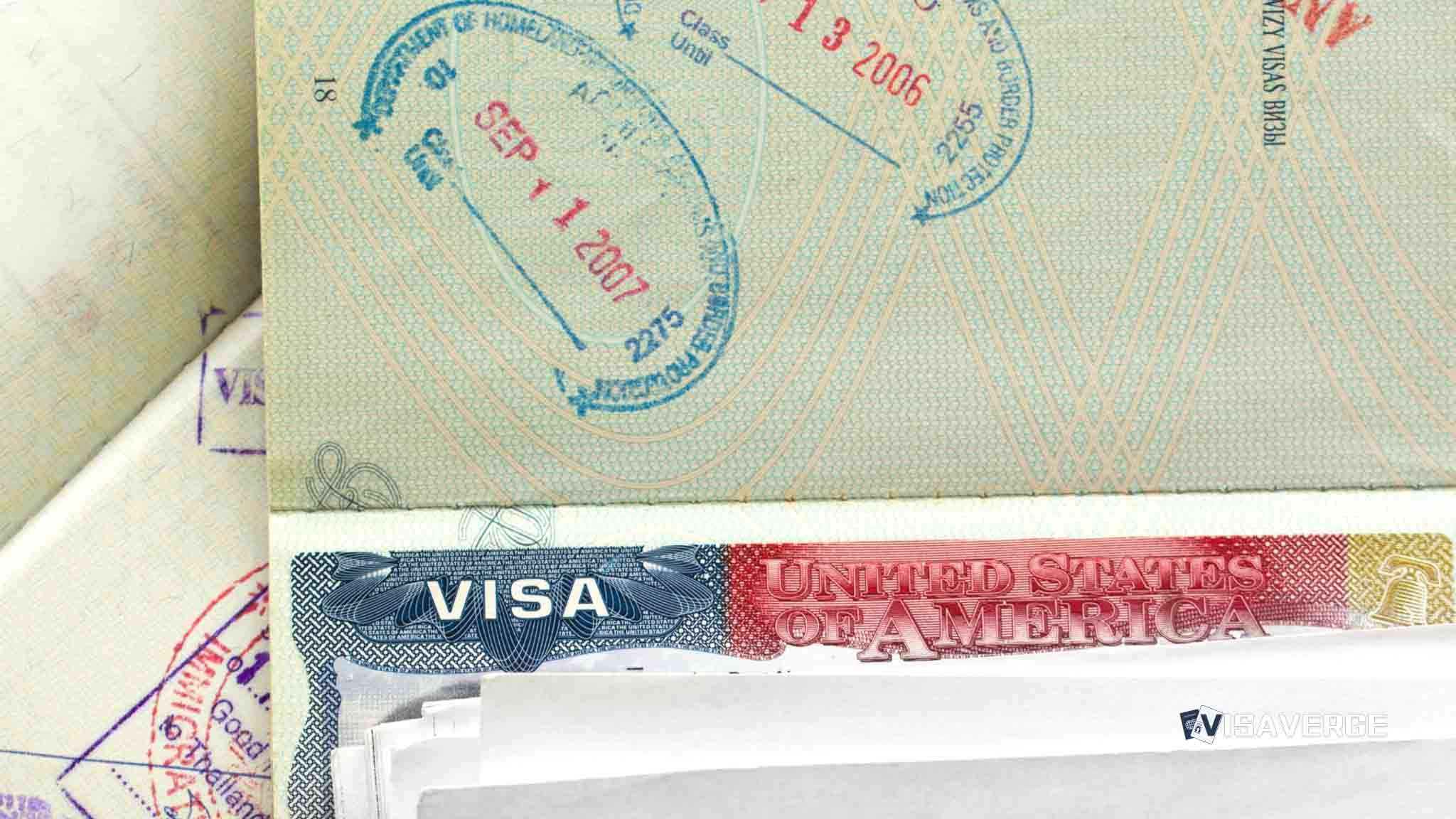
- Single speeding tickets rarely cause visa denials but repeated violations create patterns of concern for immigration officers.
- Unpaid fines and bench warrants trigger harsh background checks that can delay or sink green card applications.
- The 2026 enforcement environment requires full disclosure of all traffic records and financial discipline during interviews.
(UNITED STATES) Speeding tickets usually do not block a U.S. visa, but unpaid tickets, bench warrants, and repeated traffic violations can trigger harsh background checks and delay or sink an application. In 2026, immigration officers are looking more closely at driving records, court history, and financial discipline across visa and green card cases.

That matters because the review now reaches beyond crimes that once drew the most attention. A single ticket is rarely the problem. The real danger comes when citations pile up, fines stay unpaid, or a missed court date turns into a warrant. Those facts can raise doubts about respect for the law, honesty, and the ability to follow immigration rules.
The first review happens before the interview
Most applicants learn about these issues only after filing, but the screening starts earlier. Consular posts and U.S. Citizenship and Immigration Services use background checks to compare your forms with court records, police records, and other databases. A clean answer on paper does not help if the record tells a different story.
The 2026 enforcement environment is tighter than in past years. The Trump administration has expanded vetting, and officers now look more closely at traffic records and financial history. VisaVerge.com reports that this wider screening is changing how even minor violations are judged, especially when they appear with unpaid debts or repeated legal problems.
For many applicants, this means the old idea that traffic tickets are “too small to matter” no longer holds as neatly. A single speeding ticket still sits in a different category from a DUI or reckless driving charge. But if the ticket was ignored, sent to collections, or tied to a missed court date, the case becomes harder to predict.
A single speeding ticket rarely causes trouble
One speeding ticket usually leads to a fine, not an immigration problem. Officers generally focus on more serious conduct, such as crimes involving fraud, violence, or moral turpitude. A minor traffic stop does not normally suggest a danger to the public or a lack of honesty.
That said, the record is rarely viewed in isolation. If an applicant has several citations in a short period, officers may see a pattern of disregard for the law. The issue is not the ticket alone. It is the picture that repeated violations create.
The same is true when a driver keeps missing payment deadlines. Unpaid fines can turn a routine citation into a problem that appears during background checks. In immigration interviews, that history can prompt extra questions about responsibility, follow-through, and whether all obligations have been met.
When traffic cases turn into immigration problems
The situation changes fast once the record includes bench warrants, license suspension, reckless driving, or DUI charges. A bench warrant shows that a court ordered the person to appear and the order was ignored. That is one of the clearest red flags in a visa file.
A missed court date can also create new charges. It tells immigration officers that the applicant did not comply with a legal process. During an interview or status review, that can lead to denial, delay, or referral for more review.
Reckless driving and DUI cases are more serious still. They can show poor judgment and risk to public safety. Depending on the facts and state law, they can affect visa eligibility, adjustment of status, or later naturalization review. The immigration consequences rise sharply when injury, property damage, or repeat conduct is involved.
Financial records now matter more than many applicants expect
Traffic fines are also a financial issue. USCIS and consular officers do not look only at whether a person paid a parking ticket. They also examine whether the applicant has a record of unpaid debts, judgments, or other obligations that show a pattern of default.
That matters because immigration law includes public charge concerns in certain cases. Applicants must show they can support themselves without relying on public aid. A history of unpaid traffic fines, loans, or court-ordered payments can raise doubts about financial reliability.
Sponsors face related pressure. In family cases, the Affidavit of Support, Form I-864, shows that a sponsor promises financial backing. A sponsor with unresolved financial problems can create concern for the whole case. The official form is available through USCIS on the Affidavit of Support page.
Adjustment of status brings close review
Applicants filing for a green card inside the United States face especially detailed checks. USCIS uses fingerprint-based criminal screening and reviews identity, court, and traffic history. Anyone with unpaid tickets or a bench warrant should clear those issues before filing Form I-485, the application to register permanent residence or adjust status.
That review is more important now because more applicants can file under the current Visa Bulletin movement. The April 2026 Visa Bulletin shows USCIS still accepting adjustment cases under the “Dates for Filing” chart in many employment-based categories. Faster filing does not mean lighter review. It means more cases are entering a system that is already checking records closely.
For applicants, the timing matters. Filing before resolving a warrant or unpaid court matter can freeze a case at the worst possible moment. Officers can ask for records, issue a request for evidence, or deny the filing if the background check reveals unresolved problems.
Naturalization and travel bring their own risks
Naturalization applicants face a different standard, but the same record can still hurt them. USCIS reviews whether the applicant has shown good moral character. Unpaid fines, missed court dates, and repeated legal trouble can all cut against that finding.
Travel brings another layer of risk. People with pending cases often use Advance Parole to leave and reenter the United States without abandoning an application. But unresolved legal matters can complicate that travel. A person who leaves with a bench warrant or active traffic case may face questions when returning.
Green card holders are also seeing tighter scrutiny when they travel. In 2026, the government has expanded checks and added more documentation demands in some cases. A traffic issue that once looked minor can become part of a broader review at the border or during a status renewal.
The records that matter most before filing
The safest approach is to clean up the record before any immigration filing. That means checking more than one database and gathering proof that each issue is closed.
- Get your driving record from your state motor vehicle agency.
- Check local court files for unpaid tickets or missed hearings.
- Resolve all fines and ask for proof of payment.
- Confirm whether any bench warrants remain open.
- Keep certified court dispositions and receipts in your file.
Those documents matter because officers want proof, not promises. A paid ticket without a receipt can still slow the case. A dismissed charge without a court order can still create confusion. Clear paperwork helps show that the issue is over.
Why honesty matters as much as the record itself
Applicants sometimes leave out small violations because they think no one will notice. That is a mistake. Immigration filings are built on consistency. If the application, the police record, and the court file do not match, the mismatch itself becomes a problem.
Full disclosure allows the officer to see context. Maybe the ticket was paid late. Maybe the court date was missed because the notice went to an old address. The facts still matter, but honesty keeps a fixable issue from becoming a credibility problem.
That is where legal advice helps. An immigration attorney can review how a speeding ticket, a bench warrant, or other background checks affect a specific visa path. In a system with tighter vetting, the difference between a clean file and a messy one can decide the outcome.