Tunisia’s Push for Biometric IDs: A Double-Edged Sword?
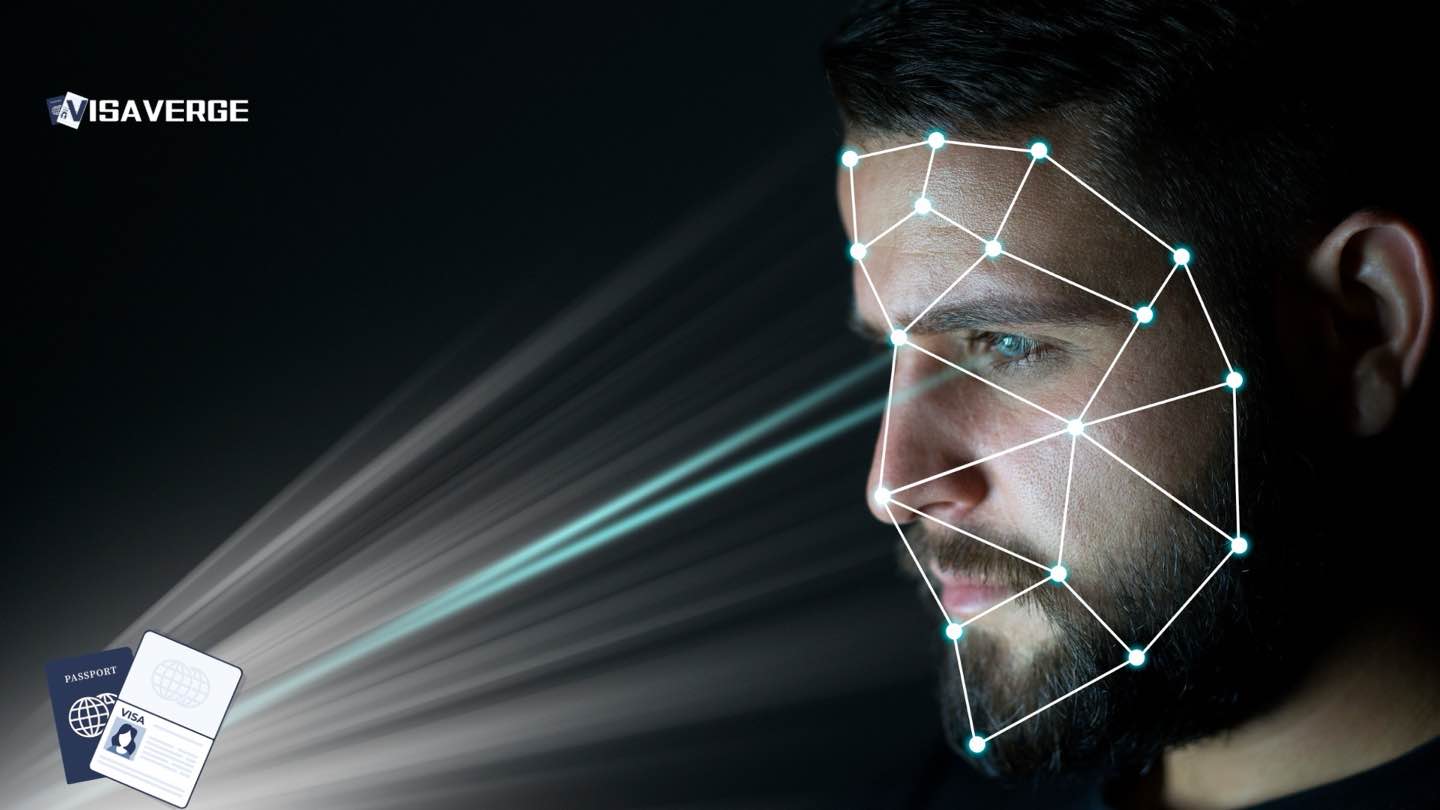
Tunisia stands at a pivotal moment as it debates the introduction of new identification documents, including citizenship cards and passports, which would hold personal data electronically. This move toward biometric IDs in Tunisia is not without controversy, as it has raised significant data privacy concerns among citizens and activists, who fear a potential increase in state surveillance and the risks of fraud and identity theft.

Concerns Over Data Privacy
The bill, reintroduced by the Ministry of Interior in June 2020 after a failed attempt in 2015, has faced staunch opposition from civil society organizations and privacy advocates. Their main contention is the lack of comprehensive legal and technical safeguards to protect Tunisians’ personal information from misuse – a pressing issue that echoes global concerns over the delicate balance between security and privacy.
Mohamed Ali, a member of parliament and the vice president of the parliament’s rights and freedoms committee, has been vocal about the need for robust protections, stating:
“The most important point is to provide safeguards to protect Tunisians’ personal data from misuse and any potential hacking.”
However, despite these concerns, he does recognize the benefits of biometric IDs in combatting fraud and crime, indicating the complexity of the decision at hand.
Understanding the Proposed Biometric IDs
The intention behind the proposal is to ward off fraudulent activities and enhance the security of personal data storage. The biometric ID cards, which would also include a significant change in their issuance – from the current age of 18 to 15, or as early as 12 with parental approval – are set to exclude details such as the holder’s profession or spouse’s name, considered sensitive information.
The Struggle for Safeguarding Measures
A pivotal public debate last Monday saw MPs pressing Interior Minister Kamel Feki for concrete assurances on data protection. The recent history of Tunisian legislative challenges, characterized by President Kais Saied’s suspension and later dissolution of the parliament in July 2021, underscores the ongoing struggle to reach a consensus on safeguarding personal information in Tunisia.
The mention of a monitoring body, the National Personal Data Protection Instance, to oversee the law’s implementation has been found wanting by many, including Cherif El Kadhi, a cybersecurity expert and Mena region policy analyst. El Kadhi relayed the inherent dangers of aggregating personal data in a centralized database, highlighting the risk of leaks or hacks that could see sensitive information trafficked on the dark web.
Real-Life Consequences and International Precedents
Actual instances of massive data breaches serve as stark warnings. For example, in October of 2021, Resecurity reported that the personal data of over 800 million Indians from the Aadhar biometric system was compromised and offered for sale on the dark web – a cautionary tale that underlines Tunisia’s data privacy concerns.
Moreover, Cherif El Kadhi points out the potential for increased government surveillance:
“A biometric database is the biggest risk and violation of private data,”
He also references France’s stealth use of Israeli facial recognition software Briefcam since 2015, despite having strong personal data protection laws in place, to monitor citizens’ movements.
Strengthening Legal Frameworks
There’s a consensus among experts and legislators that Tunisia’s 2004 personal data protection law is outdated and that the National Personal Data Protection Instance needs enhanced powers. Parliament is said to be working on this front to establish a firmer ground for personal data protection before advancing the biometric ID bill.
Economic Considerations
Financial implications cannot be ignored, especially when Tunisia is facing a public funds deficit. Estimates place the cost of this ambitious project at about $200,000, but experts like El Kadhi assert that the real cost of a biometric ID system may well be over $19 million.
The Community’s Perspective
On the one side of the equation is Mohamed Anoir El Baina, a student affairs adviser with dual Tunisian-Moroccan citizenship, who sees both the convenience and the risks associated with biometric IDs. El Baina expresses a lack of confidence in the security of online servers yet acknowledges that existing ID cards are not free from risk. He further explains the paradoxical situation in Tunisia, where despite laws against it, businesses frequently require copies of ID cards from customers.
Touting the benefits of his Moroccan biometric ID card, El Baina says:
“My Moroccan ID card has spared me a lot of effort while going through administrative procedures. I can use that card’s number, which is also encrypted with a four-digit password, to check on my accounts online, order stuff, and pay bills.”
The Tunisian bill similarly proposes a four-digit password but leaves potential uses unspecified.
What Lies Ahead?
Tunisia is at a crossroads, deciding whether to join many other nations in adopting biometric passports or maintain the status quo to preserve data privacy. The ongoing debate emphasizes the need to strike a delicate balance between innovation, convenience, and the unwavering requirement of safeguarding citizens’ personal information.
For more authoritative information on immigration and identity documentation, official immigration websites and resources are available to guide Tunisians through these evolving times. As the discourse on biometric IDs in Tunisia continues, it’s clear that transparent, well-structured legal frameworks and robust cyber defenses will be paramount to address the legitimate Tunisia data privacy concerns of the country’s citizens.
Learn Today:
Glossary or Definitions:
- Biometric IDs: Identification documents, such as citizenship cards and passports, that incorporate personal data stored electronically and utilize biometric information, such as fingerprints or facial recognition, for verification purposes.
-
Data privacy: The protection of personal information and the right to control the collection, use, and disclosure of that information.
-
Fraud: Deliberate deception or misrepresentation for personal gain, typically involving the use of false information or documents.
-
Identity theft: The illegal acquisition and use of someone else’s personal information, typically for financial gain or fraudulent purposes.
-
Civil society organizations: Non-governmental organizations and groups that are independent of the government and work to advance the interests and rights of citizens.
-
Privacy advocates: Individuals or organizations that promote and defend the right to privacy in various aspects of life, including technology and personal data protection.
-
Safeguards: Measures or protections put in place to ensure the security and confidentiality of personal information and prevent its misuse.
-
Hacking: Unauthorized access, alteration, or manipulation of computer systems or data, often for malicious purposes.
-
National Personal Data Protection Instance: A monitoring body responsible for overseeing the implementation and enforcement of personal data protection laws.
-
Centralized database: A consolidated storage system that houses a large amount of data in a single location.
-
Dark web: A hidden part of the internet that is not easily accessible to ordinary internet users and is often associated with illegal activities.
-
Data breaches: Incidents where unauthorized individuals gain access to and potentially exploit or expose sensitive personal information.
-
Personal data protection laws: Legal frameworks that regulate and govern the collection, use, and disclosure of individuals’ personal information to protect their privacy rights.
-
Financial implications: The economic consequences or considerations of a decision or action, often referring to the cost or impact on finances.
-
Public funds deficit: A situation where a government or organization’s expenditures exceed its revenue or available funds.
-
Personal data protection: The practice of safeguarding individuals’ personal information from unauthorized access, misuse, or disclosure.
-
Dual citizenship: The possession of citizenship in two different countries, allowing individuals to enjoy the rights and benefits of both countries.
-
Encryption: The process of converting data into a code or format that is unreadable to unauthorized individuals, thus protecting the confidentiality and privacy of the data.
-
Status quo: The existing state of affairs or current situation.
-
Transparent: Open and accountable, with information and processes that are clear, easily understood, and free from hidden agendas or biases.
-
Legal frameworks: The set of laws, regulations, and rules that govern a particular area or issue.
-
Cyber defenses: Measures and techniques used to protect computer systems, networks, and data from unauthorized access, cyber-attacks, or other forms of security breaches.
-
Official immigration websites: Websites authorized and maintained by government agencies or organizations that provide accurate and reliable information about immigration processes, requirements, and resources.
-
Data protection: Measures taken to safeguard individuals’ personal information from unauthorized access, use, or disclosure, with the goal of ensuring privacy and maintaining control over personal data.
In conclusion, Tunisia’s push for biometric IDs raises important and valid concerns about data privacy and government surveillance. While the benefits of enhanced security and fraud prevention are evident, it is crucial to strike a balance that protects citizens’ personal information. The ongoing debate underscores the need for robust safeguards, transparent legal frameworks, and strong cybersecurity measures. For more information on immigration and identity documentation, visit visaverge.com.
This Article in a Nutshell:
Tunisia debates biometric IDs, raising concerns over data privacy and state surveillance. While it aims to combat fraud and crime, critics fear misuse and hacking risks. Parliament is working to establish stronger personal data protection laws. Transparent legal frameworks and robust cyber defenses are crucial to address citizens’ concerns.