- JPMorgan CEO Jamie Dimon praised Trump’s economic record and foreign policy stances during a CNBC interview in Davos.
- Dimon urged Democrats to show more respect toward Trump supporters instead of dismissively labeling them as ‘ultra MAGA.’
- The executive highlighted that Trump was right about critical issues including China, NATO, and U.S. immigration reform.
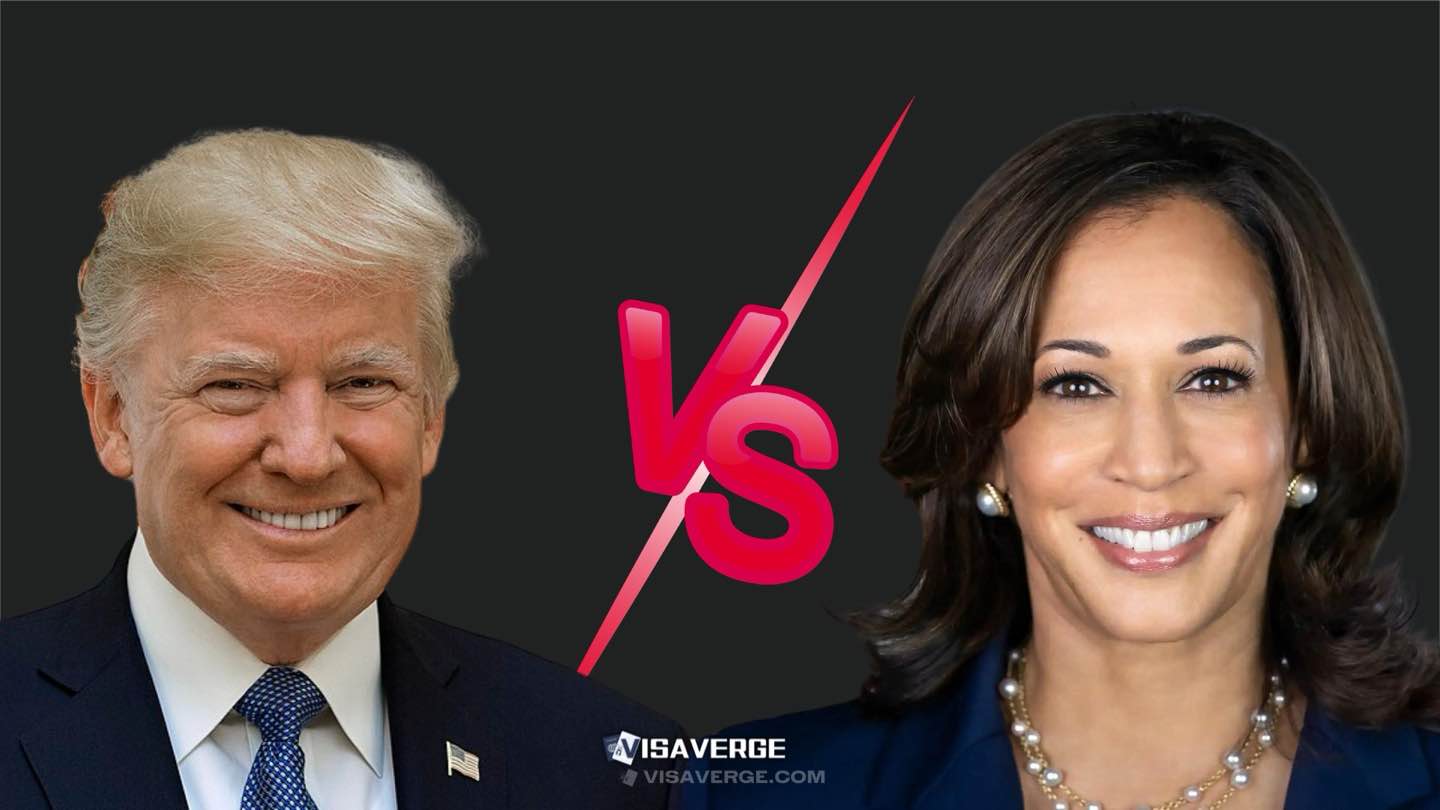
(DAVOS, SWITZERLAND) — Jamie Dimon, CEO of JPMorgan Chase, said at the World Economic Forum that former US President Donald Trump was right on parts of the U.S. economy, immigration reform and relations with China and NATO, breaking with the more uniform criticism often heard from corporate and Democratic circles.
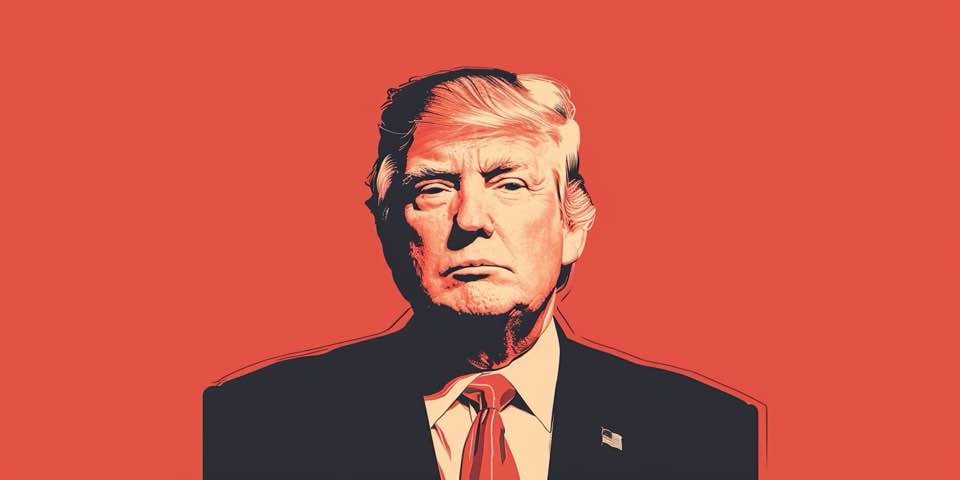
Speaking in an interview with CNBC in Davos, Dimon praised Trump’s record on growth and taxes and urged Democrats to show more respect toward Trump’s supporters as the 2024 campaign intensified.
“He grew the economy quite well. Tax reform worked,” Dimon said.
Dimon’s remarks drew notice because the banking executive is known to financially support Democratic initiatives. His comments also came as Trump’s hold on the Republican party remained central to the presidential race.
Beyond the economy, Dimon pointed to immigration as one of the issues where he believed Trump had tapped into voter concerns. He said Trump had valid points not only on growth and taxes, but also on immigration, China and NATO.
Trump’s approach to immigration centered on an “America-first” ideology. That agenda included tighter border security, a proposed wall along the US-Mexico border, and a reduction in legal immigration.
Those measures defined what became known as Trump immigration policy, a framework that won strong support from some voters and strong criticism from others. Immigration reform is described as changing current immigration laws and policies to address border security, legal immigration, undocumented immigrants and pathways to citizenship.
Border security refers to measures used to control and protect a country’s borders, including enforcement of immigration laws, deterrence of illegal entry and screening of people entering or leaving. Legal immigration refers to people entering a country lawfully through visas, work permits, family sponsorship or other authorized means.
Foreign Policy, China and NATO
Dimon also linked Trump’s appeal to his willingness to challenge longstanding assumptions in foreign policy. Trump had criticized NATO, calling it “obsolete,” and pushed member nations to contribute more financially, arguing that the United States was carrying too much of the cost.
On China, Trump took an assertive line and launched a trade war. He imposed tariffs on Chinese goods to confront what he viewed as trade imbalances and unfair practices.
A trade war is described as a period of heightened trade tensions marked by tariffs or other barriers. Tariffs are taxes or duties imposed on imported or exported goods, often used to protect domestic industries, regulate trade or answer practices seen as unfair.
Dimon’s Message to Democrats
Dimon’s argument, however, went beyond policy specifics. He said Democrats risked alienating voters by treating support for Trump as an endorsement of every aspect of Trump’s persona.
“When people say MAGA, they’re actually looking at people voting for Trump, and they think they’re voting — they’re basically scapegoating them, that you are like him. But I don’t think they’re voting for Trump because of his family values,” Dimon said.
That comment was aimed at a broader tone in political debate. Dimon said “Negative talk” could hurt current President Joe Biden’s reelection chances, and he criticized Biden’s tendency to dismiss Trump’s followers and far-right Republican party members as “ultra MAGA.”
MAGA, the slogan “Make America Great Again,” became the label most associated with Trump’s political movement after his 2016 campaign. Dimon argued that many voters were backing Trump because of policy concerns rather than personal admiration.
“…he [Trump] wasn’t wrong about some of these critical issues, and that’s why they’re voting for him. And I think people should be a little more respectful of our fellow citizens,” Dimon said.
His comments amounted to a call for civility at a moment of deep political division. He urged Democrats to respect supporters of Trump’s 2024 campaign rather than write them off.
Dimon also made clear that his own preference lay elsewhere in the Republican field. Even as he defended parts of Trump’s record, he showed a preference for Nikki Haley over Trump.
That made his intervention less a blanket endorsement than a warning against political simplification. Dimon separated Trump’s policy positions from the personal conduct and rhetoric that have long driven opposition to him.
Timing, Iowa and New Hampshire
The timing added to the weight of the remarks. Trump had just reinforced his dominance in the Iowa caucuses, winning nearly all the state’s counties and underscoring his grip on the Republican party.
Attention then turned to New Hampshire, where voters tend to be more diverse and where the race appeared tighter. Polls were reflecting moderate voter shifts toward candidates like Haley.
Dimon’s comments fit directly into that electoral moment. By arguing that Trump was “kind of right” on parts of the economy, immigration and China, he was making the case that voters had substantive reasons for backing him.
That argument also touched on a wider debate inside the Democratic party about how to answer Trump politically. Dimon’s view was that attacking the voters themselves could backfire, especially if it blurred the line between support for a candidate and agreement with everything he says and does.
That was presented as a warning for Biden’s campaign as much as a defense of Trump. Dimon’s focus was on persuasion, not denunciation.
Immigration and Citizenship
In immigration, that means recognizing why border issues resonate. Trump’s policies aimed to tighten entry, strengthen enforcement and limit legal immigration, all under the “America-first” banner.
Pathways to citizenship are described as routes through which immigrants and foreign nationals can become citizens, usually through legal residency, language requirements and citizenship tests. Those questions, along with undocumented immigration and border security, sit at the center of the reform debates that Dimon said Trump addressed more directly than his critics often admit.
Trade, Burden Sharing and Business Reaction
On foreign policy, the same pattern appeared in his remarks. Trump’s criticism of NATO, though contentious, reflected a burden-sharing complaint that had political traction among many Americans.
His posture toward China carried similar force. By imposing tariffs and framing the relationship around trade imbalances and unfair practices, Trump turned China policy into a domestic political issue as well as an international one.
Dimon’s intervention stood out because of who delivered it. As the head of JPMorgan Chase, he occupies a prominent place in American business and finance, and his words tend to carry beyond markets into politics.
His assessment reverberated across financial and political circles. That reaction stemmed not only from his praise of Trump’s record on some issues, but from his appeal for a more respectful political dialogue.
Political dialogue is the exchange of ideas and perspectives on public issues, aimed at finding common ground, reaching consensus or resolving conflict peacefully. Democracy is defined as a system in which power rests with the people and is exercised through the election of representatives and participation in decision-making.
Dimon’s comments were framed in that spirit. He did not argue that everyone should agree with Trump. He argued that people should understand why others do.
That distinction ran through his criticism of the term MAGA as a catch-all insult. In his view, using it to define Trump voters as replicas of Trump himself ignores the specific economic, immigration and foreign-policy concerns that draw them to him.
For Democrats, his message was blunt. Treating voters as objects of contempt could narrow the coalition needed to win.
For Republicans, the remarks offered another sign of how Trump’s issue set continued to command attention beyond his own party. Even people who preferred other candidates, as Dimon said he did with Haley, still found parts of Trump’s argument persuasive.
The discussion in Davos also showed how domestic U.S. politics remained a subject of debate at the World Economic Forum, where global business and political leaders regularly weigh economic growth, trade and geopolitical risk. Dimon used that platform to press a point about American politics that was both practical and cultural.
He said respect matters. He also said voters respond to issues that affect their lives.
That was the core of his argument on Trump. The appeal, Dimon said, was not rooted in “family values,” but in the belief that Trump had addressed “some of these critical issues” more effectively than his opponents were willing to concede.
At a time when partisan language often hardens divisions, Dimon’s comments cut in another direction. “And I think people should be a little more respectful of our fellow citizens,” he said.