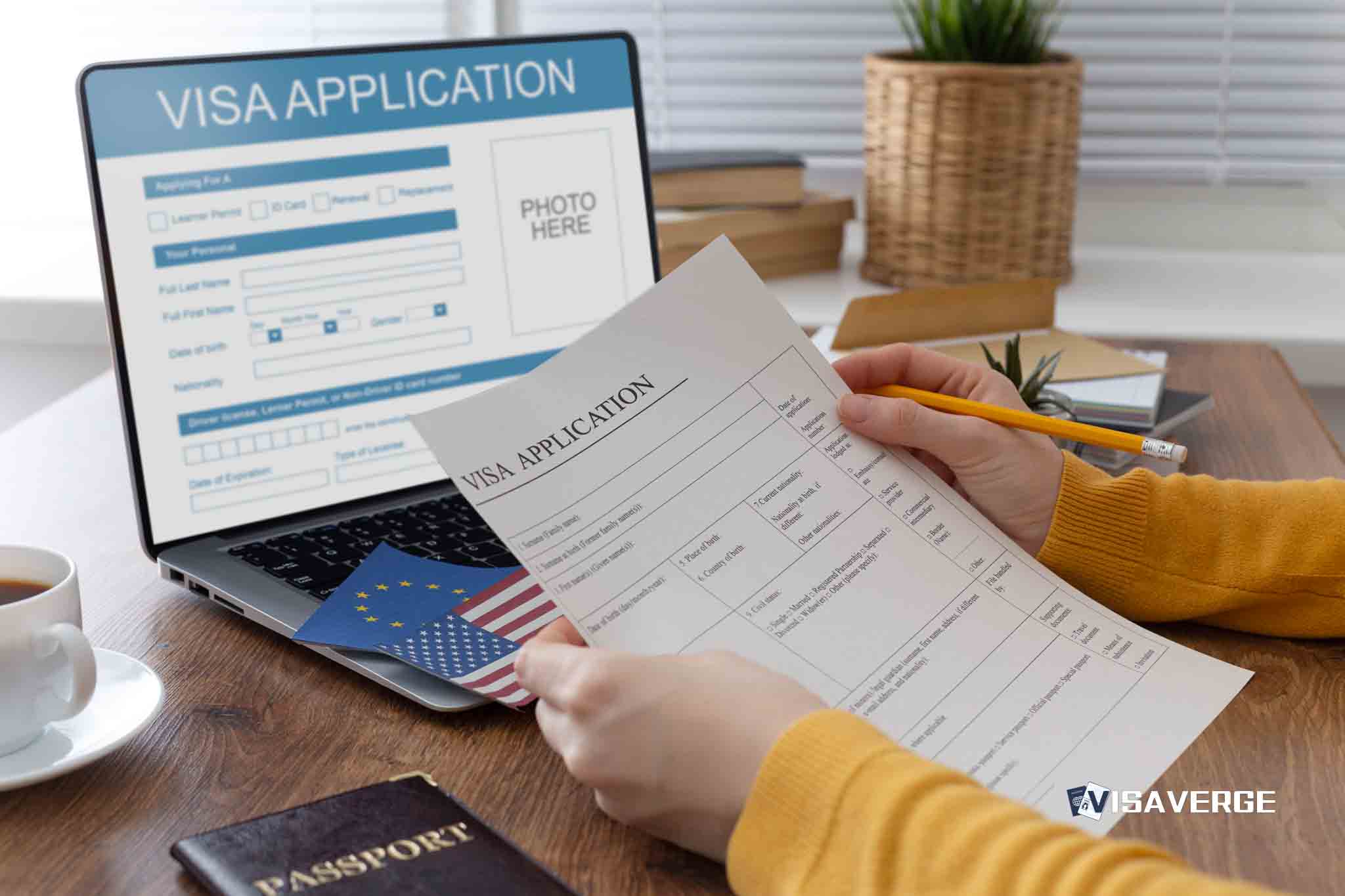
- An approved Form I-140 enables H-4 spouse work authorization via the H-4 EAD process.
- Automatic extensions ended in 2025, requiring earlier renewal filings to avoid employment gaps.
- New H-4 EAD cards are capped at 18 months validity as of late 2025.
An approved Form I-140 does not automatically let an H-4 spouse work in the United States. It does, however, open the door to an H-4 EAD, which gives certain spouses of H-1B workers legal work authorization through an Employment Authorization Document. That path is still open in 2026, but the rules are tighter, the wait is longer, and renewals now need much more planning.
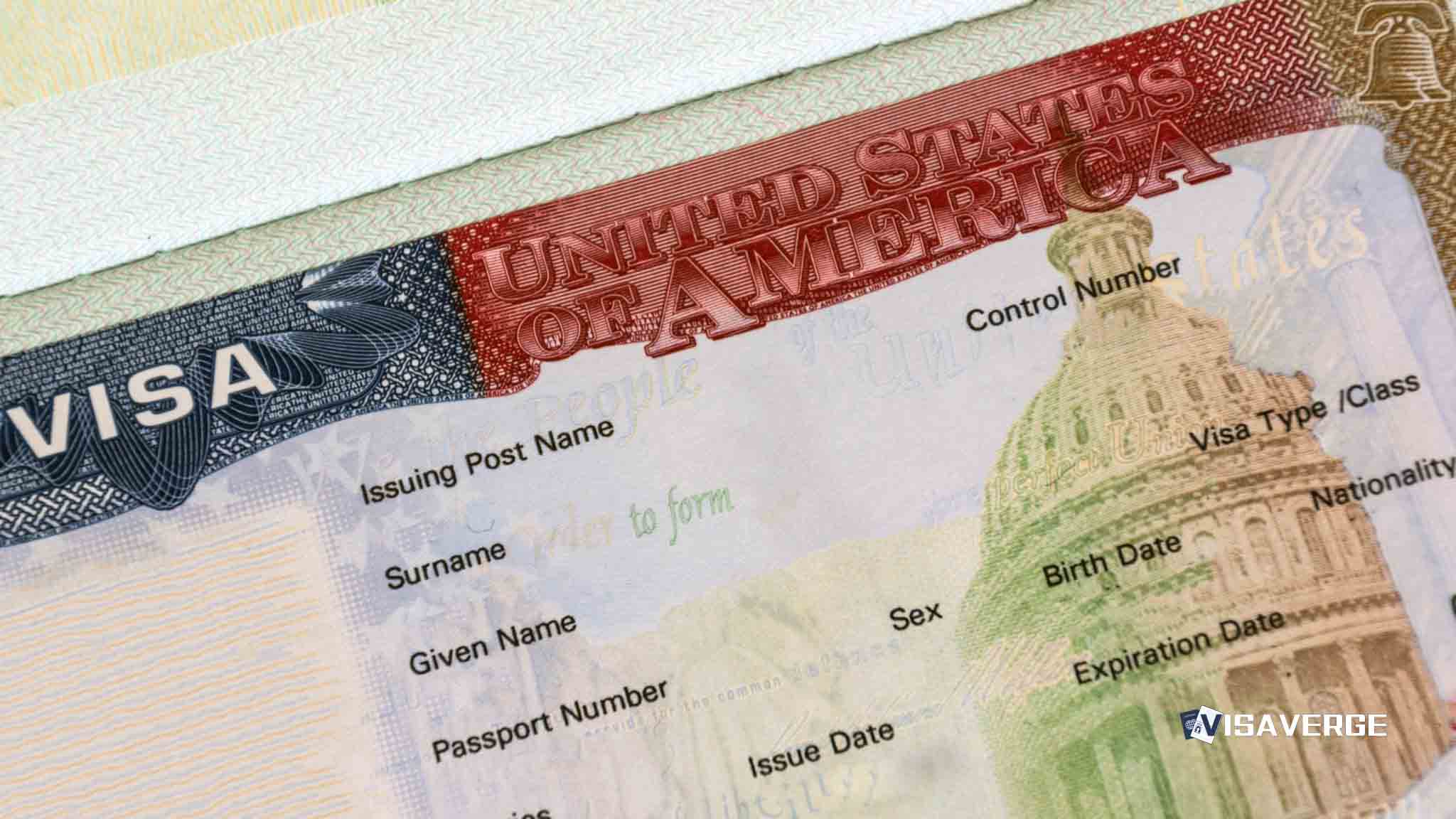
For many families, this matters because the green card line can stretch for years. Spouses who once counted on automatic extension protection no longer have that safety net for new filings after October 30, 2025. They also face shorter card validity, now capped at 18 months for new and renewal H-4 EADs filed under category (c)(26).
The starting point is the worker’s immigration case. Form I-140, Immigrant Petition for Alien Worker, is filed by a U.S. employer to support permanent residence. When USCIS approves it, the main H-1B worker has cleared a major stage toward a green card. For the spouse in H-4 status, that approval can create work eligibility, but only through a separate filing. USCIS explains the employment authorization process on its official Form I-765 page, which is the application used for the H-4 EAD.
Free toolCSPA Age-Out Calculator OnlineTwo paths still qualify an H-4 spouse. The first is an approved Form I-140 for the principal H-1B worker. The second is an H-1B extension beyond six years under AC21 rules, usually tied to an approved I-140 or a long-pending labor certification. The spouse must also stay in valid H-4 status, remain legally married to the H-1B holder, and be inside the United States for a first-time filing.
The timing of the application now matters more than ever. USCIS processing for H-4 EADs averaged 5-7 months in early 2026, and that delay can leave a household without income if the card expires first. VisaVerge.com reports that many families now file as soon as they can, rather than waiting until the last few months. A renewal can be filed up to 180 days before expiration, and that window has become the safest point to act.
The filing package centers on Form I-765, plus proof of H-4 status, the spouse’s marriage certificate, the H-1B holder’s approval notices, and the approved Form I-140 or AC21 evidence. Applicants also include passport copies, photos, and, when available, recent pay stubs from the H-1B worker. The filing fee is $520 as of 2026, and biometrics can add $85 when USCIS requires them.
A new H-4 EAD does not begin work rights until approval arrives and the card is in hand. That rule matters because the old automatic-extension cushion is gone for renewals filed on or after October 30, 2025. Before that date, some timely filers could keep working for up to 540 days with an expired card and a receipt notice. That protection no longer applies. If the card expires before USCIS approves the renewal, work must stop.
The second major change took effect on December 5, 2025. New and renewal H-4 EADs now last 18 months, not up to five years. That shorter span affects planning, budgeting, and job stability. Families now face more frequent filings, more fees, and a greater chance of a gap when a card is still pending. Existing cards keep their original validity until they expire.
For employers, that creates a hiring risk that is easy to miss. A spouse may accept a job offer, only to lose work authorization while the renewal waits at USCIS. Many workers now ask for start dates that hinge on approval, not on filing. That shift is especially hard for families who already live under long green card backlogs, including many from India and China.
An H-4 EAD also stays tied to the principal worker’s status. If the H-1B holder loses status, the spouse loses work authorization too, even when the I-140 remains approved. The EAD gives flexibility on employer and job field, but it does not stand alone. A break in the H-1B case can end the H-4 spouse’s ability to work immediately.
Processing delays have become part of the story. USCIS handling has been uneven, and requests for evidence can slow cases further when names, dates, or status records do not line up. Premium processing does not exist for standalone H-4 EAD filings. When delays stretch far beyond normal timelines, some families turn to legal action, including mandamus lawsuits, to force a decision.
The good news is that H-4 is not the only dependent status with work options. L-2 spouses can work with an I-94 annotation and do not need an EAD card for employment. E-2 dependents also receive automatic work rights in many cases. E-3D spouses use a different system. Those options do not rely on Form I-140, which makes them more stable for some families.
Filing Order That Keeps the Case Moving
A careful filing sequence helps reduce gaps. The strongest approach is simple:
- Confirm the H-1B worker’s approved Form I-140 or AC21 extension basis.
- File the H-4 extension and Form I-765 as early as allowed.
- Match every document exactly, including names, passport numbers, and status dates.
- Track the case through USCIS online tools and keep payroll records safe.
- Prepare for a pause in work if the current card will expire before approval.
Families should also keep an eye on the main USCIS processing page at egov.uscis.gov/processing-times, since wait times can shift quickly. When the H-1B principal’s case is renewed, many attorneys file the H-4 extension and EAD together. That coordinated filing does not guarantee speed, but it reduces the chance of one case moving ahead while the other stalls.
The broader message is straightforward. An approved Form I-140 still gives H-4 spouses a real path to work in the United States, and the H-4 EAD remains a lifeline for thousands of households. Yet the 2025-2026 changes demand earlier filings, tighter document checks, and a much less forgiving timeline.