


RSUs Vesting Across Borders: Tax Sourcing and Withholding Gaps
RSU vests after relocation create split sourcing: countries tax portions based on workdays between grant and vest. Withholding…

E-Visa Beats VOA for Indian Travelers: Planning and Certainty 2025
E-visas offer pre-approval, fixed fees, and faster processing—reducing refusals and queues—while visa-on-arrival fits spontaneous travel but risks delays…

New U.S. Visa Surcharges 2025–2026: Indians, Students & Workers
From Jan 1, 2026, a $250 Integrity Fee will be added to most non-immigrant visas; new H-1B petitions…
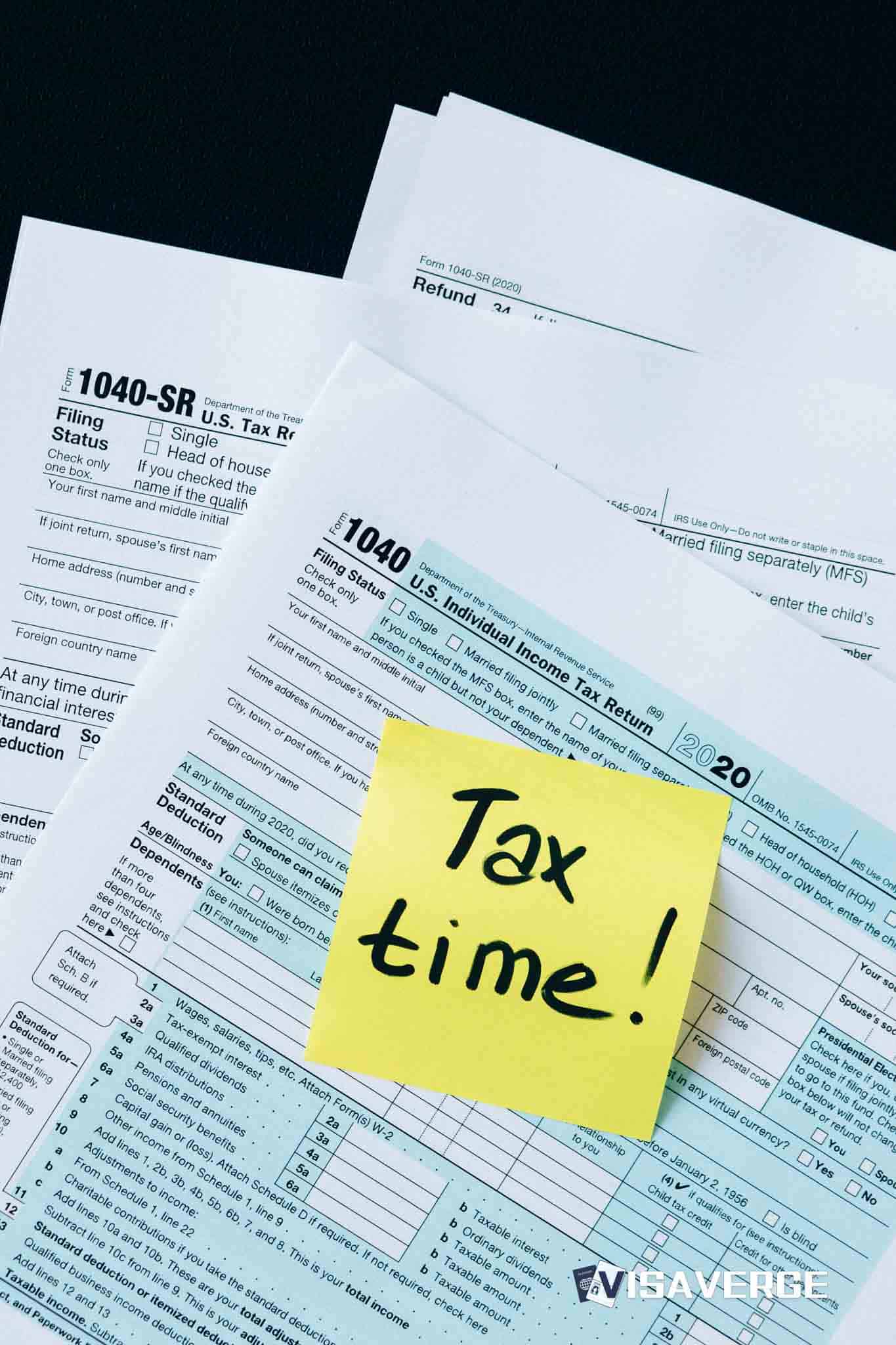
U.S. Tax Implications for Indian Startup Equity Abroad
India’s Clause 72(6) allows NRIs to compute unlisted-share capital gains in the original foreign currency, reducing rupee-related Indian…

Dual-Country Residency for H-1B Professionals: U.S. & India Tax Plan
H-1B professionals returning to India should evaluate the U.S. Substantial Presence Test and India’s residency rules to avoid…

FEIE vs FTC for H-1B and F-1 Income from India: Guidance
FEIE (Form 2555) excludes eligible wages earned abroad up to $130,000 (2025) if time tests are met; FTC…

FBAR vs FATCA for NRIs: Key Rules, Thresholds, and Penalties (2025)
NRIs must check FBAR (>$10,000 aggregate foreign accounts) and FATCA (Form 8938 for broader assets with varying thresholds).…

Rental Income Tax for H-1B/GC with Indian Property: Dual Filing
U.S. residents with rental property in India must file Indian returns when due, report the rent on U.S.…

NRIs Owning Indian Property While in the U.S.: Tax Rules
Simply owning Indian property does not trigger U.S. taxes if there’s no rent or sale. Reporting obligations focus…

NRI Builds India Home for Parents: No U.S. Tax or Filing
An NRI-owned home in India used rent-free by parents generally creates no U.S. tax or property reporting. The…

Green Card Holders with Indian Rentals: Key U.S. and India Tax Traps to Avoid
U.S. Green Card holders must report Indian rental income on Form 1040 and claim Foreign Tax Credit on…

Understanding U.S. Expatriation Tax for Green Card Surrender in India
Renouncing U.S. residence can trigger the Expatriation Tax if you meet Covered Expatriate tests: $2 million net worth,…

Can Non-U.S. Families Claim the Child Tax Credit with H-1B or F-1 Visas?
The 2026 Child Tax Credit requires SSNs for both child and parent. Families with ITINs should use the…

State Tax Residency After Leaving on H-1B Visas Guide
Leaving the U.S. does not always end state tax residency. Learn how H-1B workers can avoid being taxed…