


Understanding the I-140 Process and its Connection to PERM Application for Employment-Based Green Card
The I-140 process and the PERM application are two essential steps in obtaining an employment-based green card. The…

Understanding AC21 Portability: How it Impacts Your I-140 Petition & Employment-Based Green Card
AC21 portability allows foreign workers to switch jobs while their I-140 petition for an employment-based green card is…

Understanding the Impact of Employment Changes on your I-140 Petition: Green Card Application Update
Wondering about the impact of employment changes on your I-140 petition and how it affects your green card…

Travel During I-140 Process: Reentry Permits & Immigration Application
Traveling outside the U.S. during the I-140 process can affect your immigration application. It is advisable to apply…
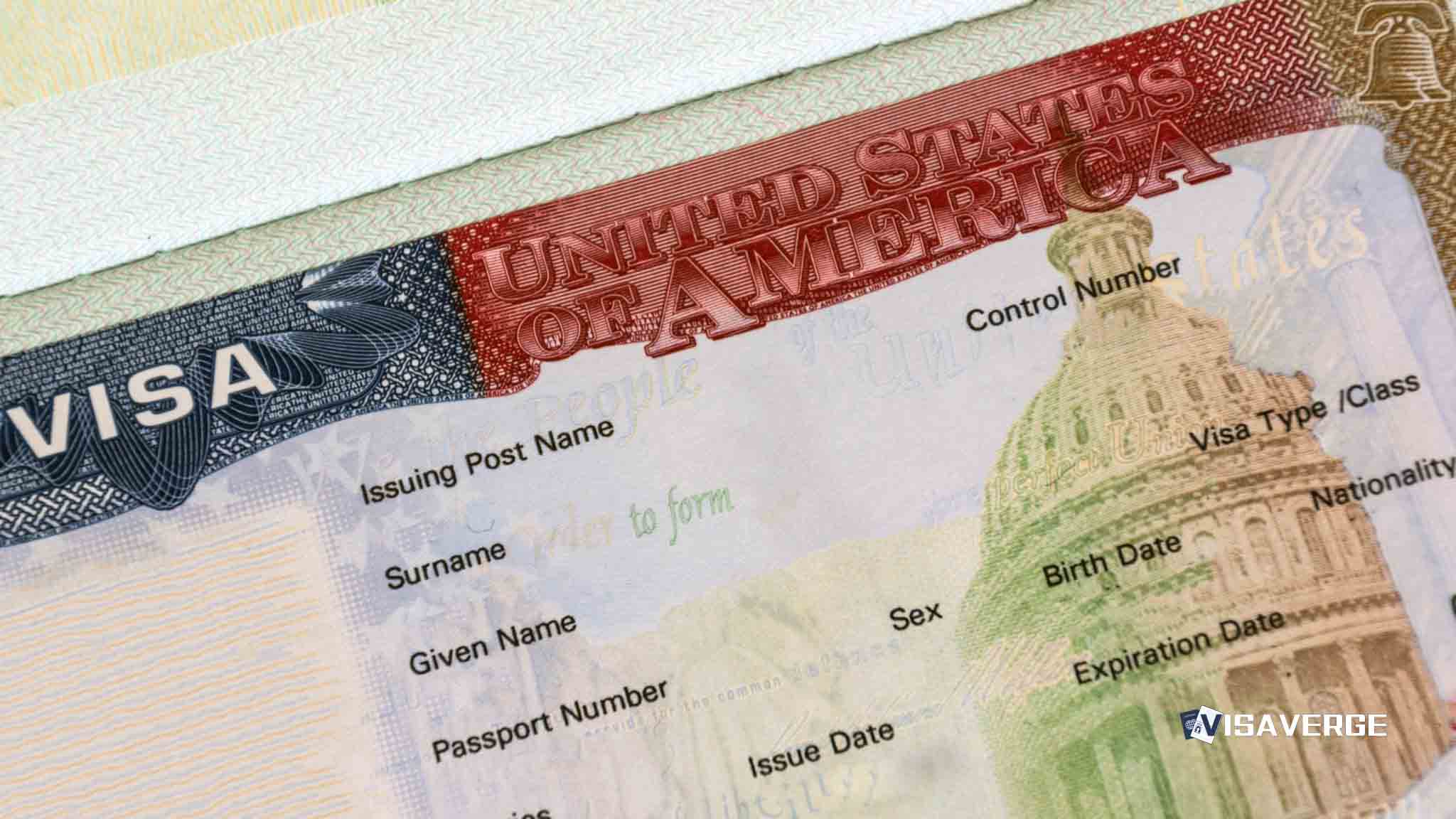
Can Your Spouse Work in the U.S. After I-140 Approval with H-4 EAD?
Learn how an approved I-140 enables H-4 EAD work rights in 2026. Discover new 18-month validity rules and…
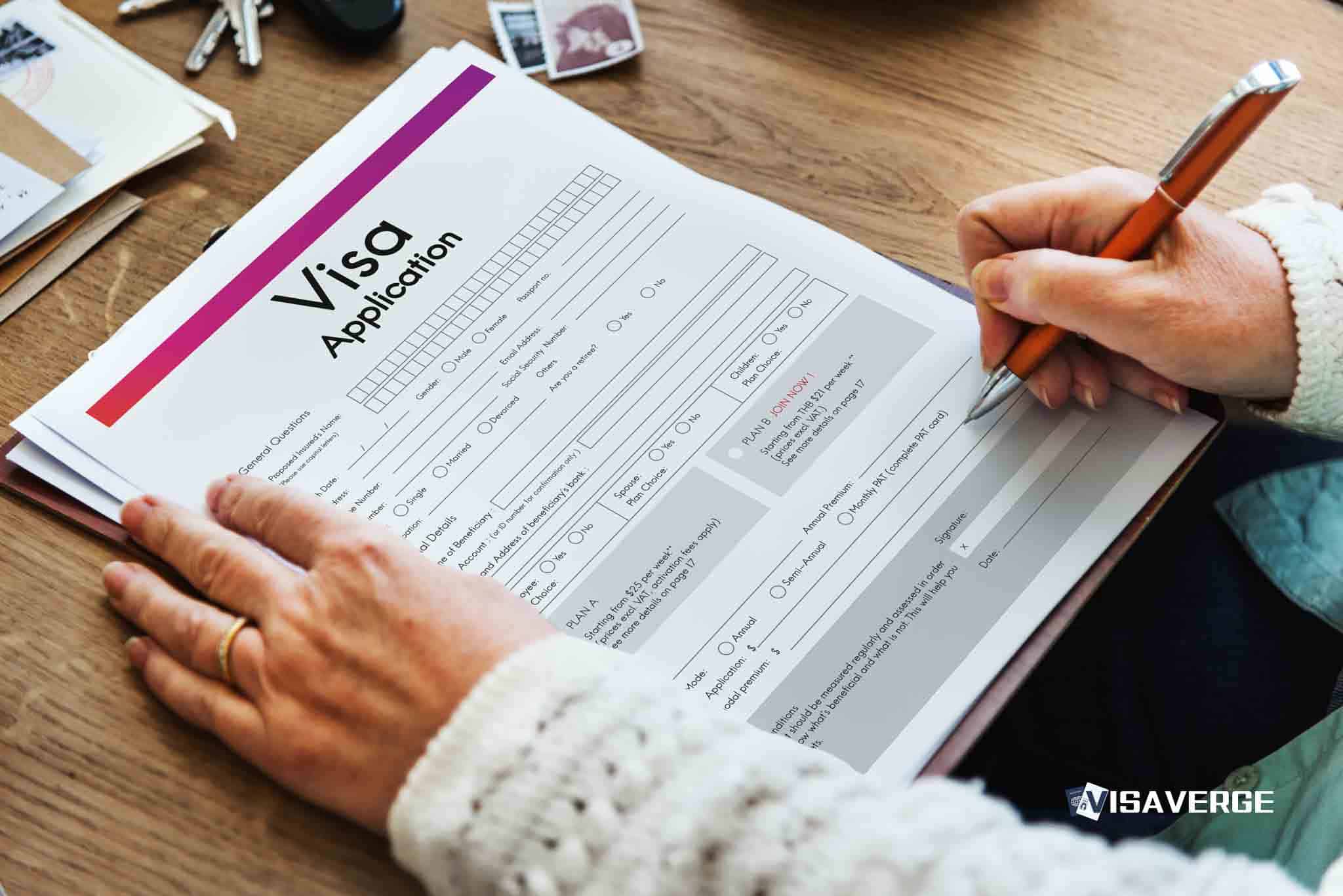
Appealing a Denied I-140 Petition: Understanding the Immigration Appeal Process
Yes, it is possible to appeal a denied I-140 petition through the immigration appeal process. This article discusses…

Dealing with I-140 Denial: Your Options for Priority Date Issues
If your I-140 is denied due to a Priority Date issue, you have several immigration appeal options to…

Leveraging I-140 Approval: Benefits for New Visa Application Process
Having a previous I-140 approval can greatly benefit a new visa application process, as it demonstrates a positive…

Guide to Correcting Errors in Your I-140 Application: Immigration Form Amendments for I-140
If you need to correct errors in your submitted I-140 application, you can file for immigration form amendments.…

I-140 Consular Processing vs Adjustment of Status: Green Card Application Process Explained
The difference between consular processing and adjustment of status for I-140 lies in where the green card application…
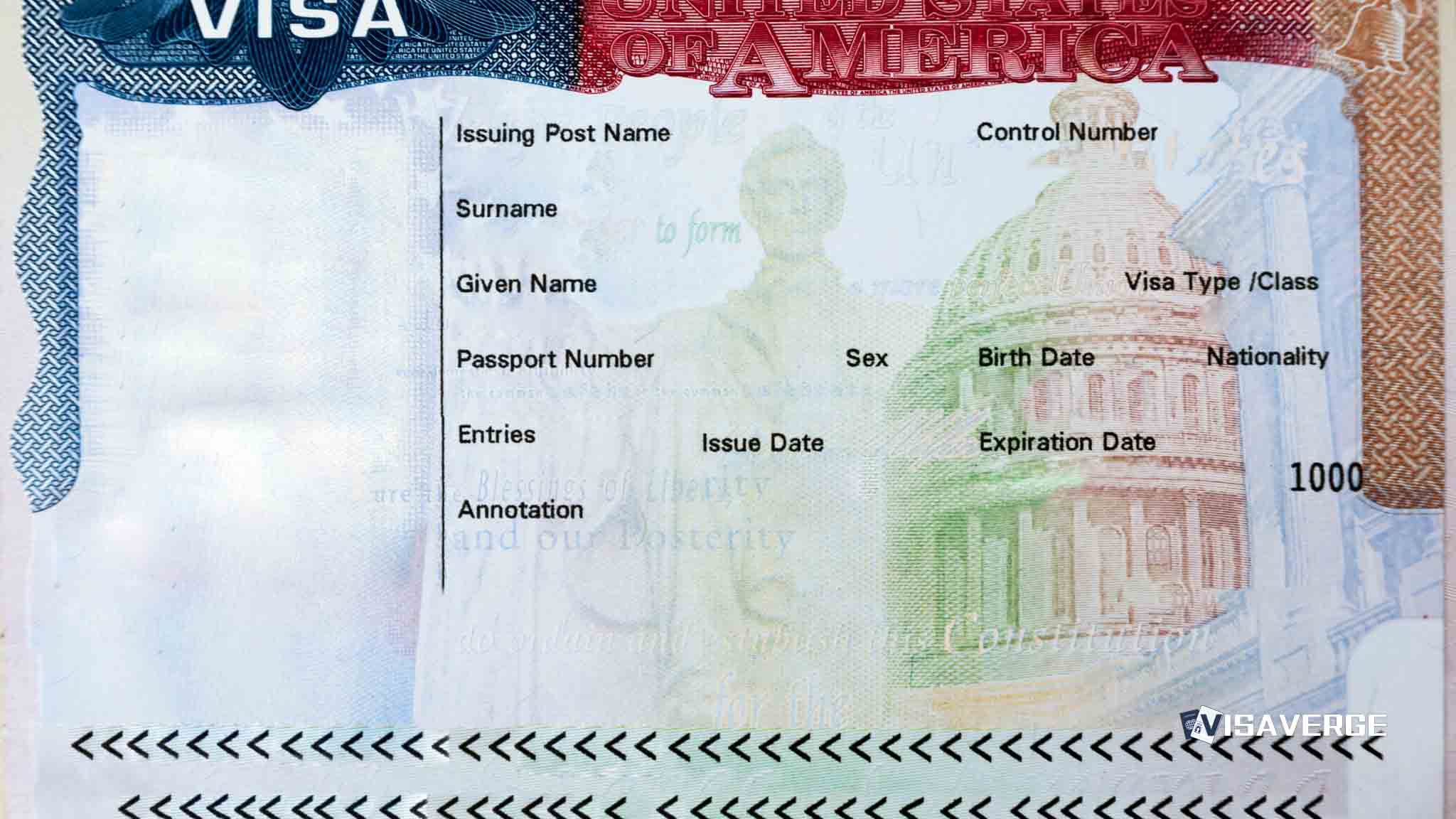
Can Green Cards be denied after I-140 approval? Common Green Card denial reasons explained
A Green Card can still be denied even after I-140 approval due to various reasons. It's crucial to…

Expedite I-140 Processing: How to Request Emergency USCIS Approval
To expedite an I-140 processing due to an emergency, you can submit an emergency USCIS request. This will…

Understanding the Validity Period of Approved I-140 for Immigration Visa Applications and Employment-Based Green Cards
The validity period of an approved I-140, which is an immigration visa application for an employment-based green card,…

Understanding the Risks and Drawbacks of EB-2 NIW I-140 Filings
When filing an I-140 under the EB-2 NIW (National Interest Waiver), it's important to be aware of the…