


Indians in Germany Earn More as Envoy Calls for Skilled Migration
In 2025 Indians in Germany averaged €5,359 monthly, out-earning national medians. With about 280,000 community members and strong…

Europe Gains as H-1B Chaos Pushes Tech Talent Abroad
A $100,000 fee on new H‑1B petitions began September 21, 2025, for one year. Exemptions cover prior filings…
DHS Proposes Wage-Based H-1B Selection Rule to Replace Lottery
DHS proposes replacing the H-1B lottery with a wage-weighted selection published on September 24, 2025, with a 60-day…
New DHS H-1B Wage-Based Explained: Impact on Employers and Workers
The U.S. Department of Homeland Security (DHS) has issued a proposed rule to overhaul the H-1B visa cap…

U.S. Launches Project Firewall to Expand H-1B Enforcement
Project Firewall began September 19, 2025, letting the Secretary of Labor certify H-1B investigations targeting wage theft, fraud,…
H-1B, H4, and F-1 Visas to India Fall Over 30% Since 2023
From 2023 to 2025 India saw over 30% declines in H-1B, H4 and F-1 visa issuances, driven by…

Doctors May Get Exemption from $100,000 H-1B Fee, Report Says
A September 19, 2025 proclamation imposes a $100,000 fee on new H-1B petitions. The White House suggests physicians…
Nvidia and OpenAI CEOs react to H-1B fee increase under Trump
An executive order effective Sept 21, 2025 raises H-1B fees to $100,000–$152,000 per petition, requires upfront employer payment…
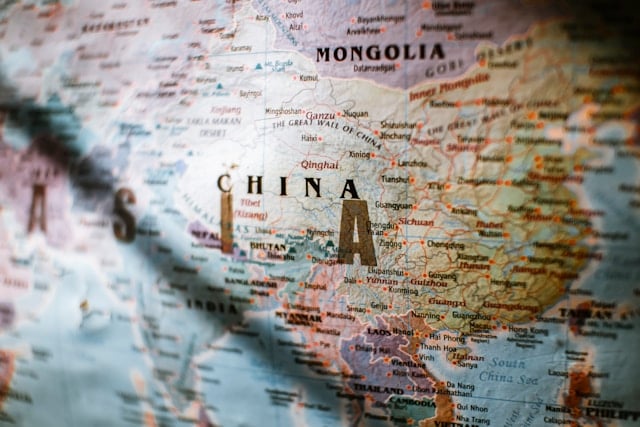
China Pushes K Visa to Tap STEM Talent Amid H-1B Fees
China’s K visa, launching October 1, 2025, targets early-career STEM professionals with bachelor’s degrees, permitting research, entrepreneurship, and…

Trump’s $100K H-1B Fee Sparks Chaos for Chinese Talent in U.S.
A Sept. 19, 2025 Proclamation creates a $100,000 fee for new H-1B petitions filed abroad, effective Sept. 21;…
H-1B Outside-US Petitions Now Require a $100K Fee
Effective Sept 21, 2025, a Presidential Proclamation requires a $100,000 supplemental fee for most new H-1B petitions filed…
O-1 and L-1 Visas Gain Traction After H-1B Fee Jump to $100K
Effective September 21, 2025, H-1B government fees rose to $100,000–$152,000 per petition with higher wage rules and stricter…
China’s K Visa vs US H-1B: Key Differences in 2025
Launching October 1, 2025, China’s K visa lets young STEM graduates enter without employer sponsorship to research, teach,…
Presidential Proclamation Sets $100,000 H-1B Fee for New Petitions
A Presidential Proclamation took effect Sept. 21, 2025, imposing a $100,000 fee on every new H‑1B petition filed…